Remodeling company in Tampa, FL
Headquarters, close to the work.
From here we cover Hillsborough County and reach into Pasco. Bungalows, block ranches and new builds are designed, permitted and built under one contract.
Tampa headquarters
3113 N Armenia Ave, Tampa, FL 33607Monday to Friday, 9:00 am to 5:30 pm
Where we work
Hillsborough and Pasco counties
As a remodeling company in Tampa, we work on housing that runs the full spectrum: 1920s bungalows in Seminole Heights and Hyde Park, Mediterranean revivals near Bayshore Boulevard, masonry homes in Ybor City, mid-century block ranches across the residential core, waterfront homes on Davis Islands, and newer construction in New Tampa and Westchase. Each era fails and improves differently. Older homes hide knob-and-tube wiring, cast iron drain lines, undersized panels and settled framing behind their plaster. Mid-century block homes want opened floor plans and modern kitchens, and newer homes usually need finish-level work rather than structural surgery.
Most of the Tampa kitchens we rebuild fall into three groups. There are homes from the eighties and nineties in Carrollwood and Town ’n’ Country, where the layout is closed off and the wiring was never meant to carry a modern kitchen. There are older bungalows in Seminole Heights and Hyde Park, where the character is worth keeping but the plumbing and electrical are not. And there are newer builds where the finishes are builder grade and the island is too small to be useful. A wall that opens easily in one house is load-bearing in the next, which is a structural question we answer before design, not during the build.
Outside the city the houses get younger. Original Carrollwood grew up around its lake from about 1957, with Carrollwood Village spreading west through the 1970s and 80s, and the Census Bureau’s median home in Carrollwood dates from 1984; the median is 1990 in Lutz, 1993 in Brandon, 1999 in Land O’ Lakes, 2000 in Westchase, and 2006 in Riverview and Wesley Chapel. Closer in, the 33629 ZIP code of South Tampa has a median of 1973, and four in five of its homes are lived in by their owners.
Tampa area
Downtown
Homes in downtown Tampa are mostly condominiums, so the work is usually a condo remodel: the association’s approval package, elevator reservations, quiet hours and protected common areas planned before the first tool comes out, with permits through the City of Tampa.
North Tampa
North Tampa, around the 33612 ZIP code near Busch Gardens and the University of South Florida, has many mid-century block houses on modest lots, solid candidates for opened floor plans and new kitchens and baths. Part of the area is inside city limits and part is unincorporated Hillsborough County, so we confirm which office issues the permit for each address.
West Tampa
West Tampa grew up around its cigar factories in the 1890s, and many of its streets still carry the small frame houses and bungalows of that era. Our office on N Armenia Ave shares its 33607 ZIP code. Older houses here usually need the wiring, plumbing and framing brought up to date along with the kitchen and baths, all permitted through the City of Tampa.
Building here
Permits
Remodeling inside Tampa city limits means permitting through the City of Tampa Construction Services, and outside them through Hillsborough County, and the submittal requirements and review times differ between the two. Temple Terrace runs its own building division, separate from both. As your licensed Florida general contractor (CGC1535727) we identify the right authority for your address, pull every required permit and coordinate every inspection through final sign-off.
More on permits
In unincorporated Hillsborough County every building permit application goes through the county’s HillsGovHub portal, and before the first inspection of a residential alteration the county wants a certified copy of the recorded Notice of Commencement. North of the county line, Pasco County takes applications for Wesley Chapel and Land O’ Lakes through its PascoGateway site; it files a remodel that adds no square footage, such as a kitchen or a bath, as a Residential Alteration, and anything that enlarges the footprint as a Residential Addition.
Plant City, east of Tampa, has its own Building Division, where each permit type takes a separate application, so a remodel there files its building, electrical, plumbing and mechanical permits one by one, and the work has to begin within six months of each permit’s issue.
Condo associations
Near the water much of the city lives in condominiums: in the 33606 ZIP code of South Tampa, 49.9 percent of homes are in buildings of five or more units. Under Florida law a material alteration or substantial addition to a condominium’s common elements follows the procedure in its declaration, and where the declaration is silent it needs the approval of 75 percent of the association’s voting interests, so a condo remodel here is planned to stay inside the unit, with the association’s approval in hand before work starts.
Flood and storms
Flood zones matter here too. Much of South Tampa and the waterfront sits in mapped flood areas, where FEMA’s substantial-improvement rule caps how much work a home can take before it has to meet current flood requirements. Recent seasons made that real: Idalia’s surge left streets along Tampa Bay flooded in 2023, Helene pushed five to seven feet of surge into the bay in 2024, and Milton’s rain two weeks later sent the Hillsborough River to record crests. We flag those constraints during the design consultation, before they can surprise a budget.
More on flood and storms
Inside the city the 50 percent test uses the structure’s depreciated value before the damage, as the Hillsborough County Property Appraiser lists it, and a permit application for a house in a FEMA Special Flood Hazard Area must include an Elevation Certificate. In the unincorporated county the cost is weighed against the structure’s market value without the land, which the Property Appraiser’s online 50% Rule calculator works out, or an owner can bring a licensed appraiser’s figure instead. The county’s floodplain program also earns its owners a discount: its Community Rating System class improved to Class 4 on October 1, 2026, worth 30 percent off flood insurance premiums in the unincorporated area.
Storms on record in Hillsborough County
- Hurricane Milton
- Hurricane Helene
- Hurricane Idalia
What we build
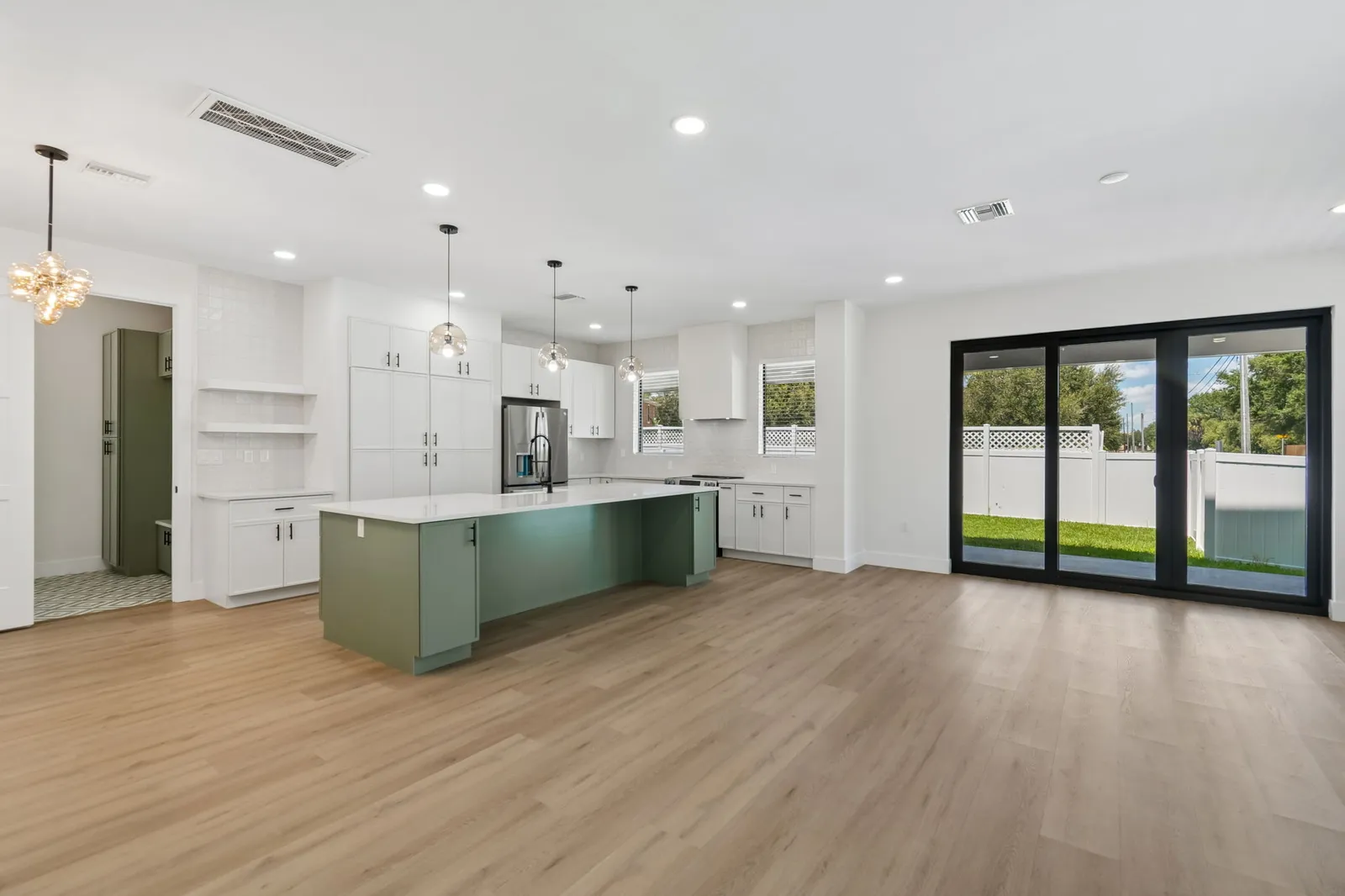
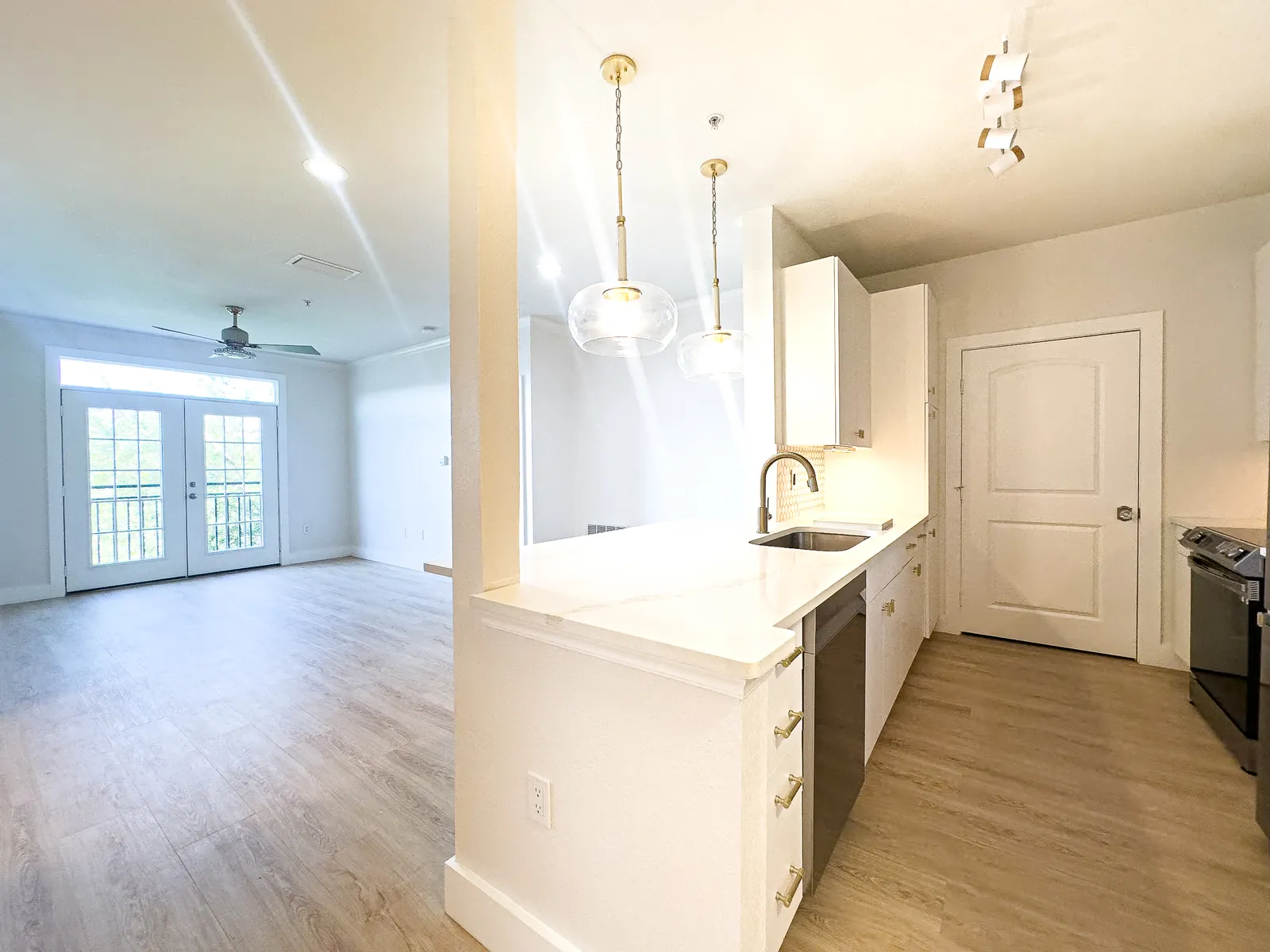
That range of houses is why we work design-build. Our designer and our crews work under one contract, so what gets drawn is what gets priced and what gets built. When a Tampa remodel opens a wall and finds what old houses tend to hide, you get the documented finding and a written change order before any extra work happens, never a surprise on the final invoice.
What homeowners say
“These guys did an amazing job from start to finish.”
April Hogan, home remodelGoogle review by April Hogan, on our Tampa Google listing (opens in a new tab) “The communication was great and the work was quality.”
Ron Vyas, room conversionGoogle review by Ron Vyas, on our Tampa Google listing (opens in a new tab)
Questions
Does a Tampa address mean the City of Tampa issues the permit?
Not always. Town ’n’ Country, Carrollwood and Lutz are unincorporated Hillsborough County, so the county issues their permits whatever the mailing address says, and the Hillsborough County Property Appraiser’s record for a parcel shows which side of the city line it is on.
How long can permit review take on a Tampa remodel?
Florida sets the clock. For a single-family home under 7,500 square feet, an office using its own plans reviewer has 30 business days from a complete application to decide, some smaller trade jobs on existing homes get 5 business days, and the permit fee drops 10 percent for each business day the office runs late.
Do you remodel homes in Plant City’s historic districts?
Yes. Plant City’s design standards cover three National Register districts, among them the Northeast Residential district, listed in 1993 with just under 100 homes mostly built before 1930, and the Downtown Historic Residential district, listed in 1998 with more than 200. Exterior work on a house in a designated district needs a Certificate of Appropriateness from the Historic Resources Board or Planning Division staff before it starts.
Do we need a permit to take down a tree for an addition?
Often, yes. The City of Tampa requires a removal permit for any tree 5 inches or more in diameter at breast height, except invasive species, and a Grand Tree of 32 inches or more comes down only in special circumstances after public notice. In unincorporated Hillsborough County the permit starts at 12 inches on a developed lot, and a Grand Oak of 34 inches or more in good condition is preserved unless the county authorizes its removal.
What if a house in Pasco County has settled?
Pasco County treats it as its own permit question. An Investigation Permit is needed before ground settlement under a house is investigated and a Remediation Permit before any repair starts, each valid for six months, and a compromised foundation takes a Foundation Stabilization permit backed by an engineering report. The findings, and the report of any remediation, are then recorded in the county’s public records.
Our other officesSarasota officeSeminole office