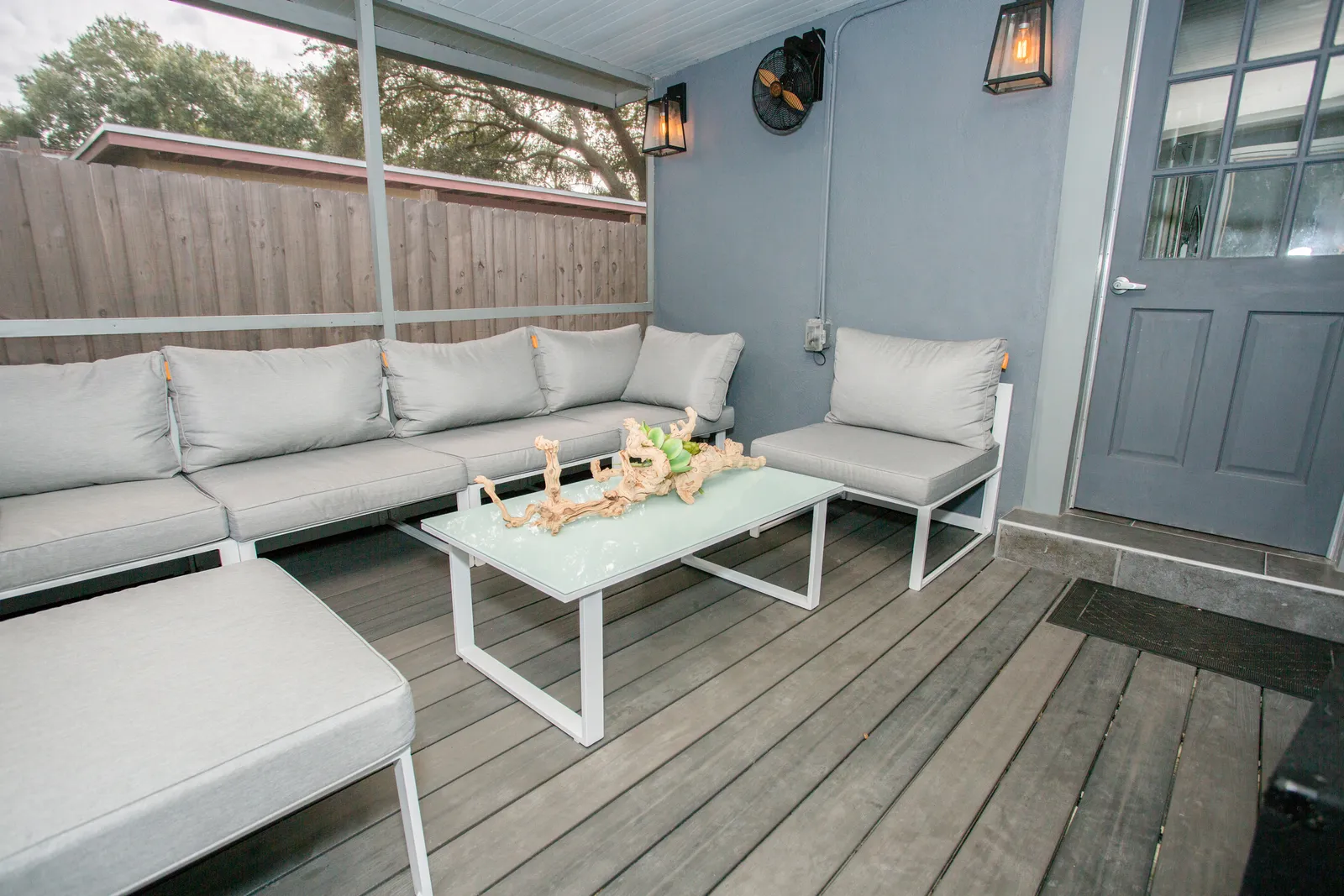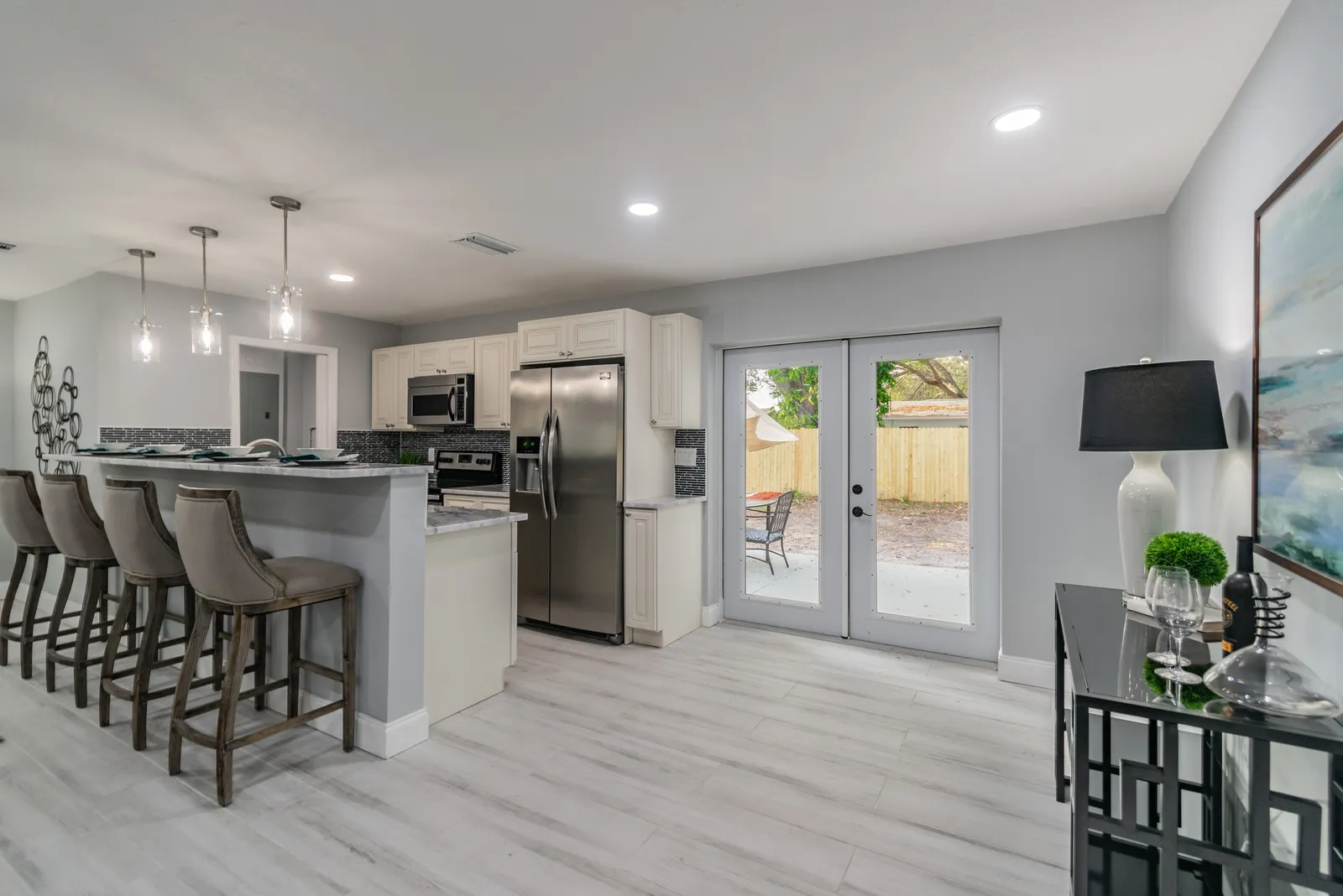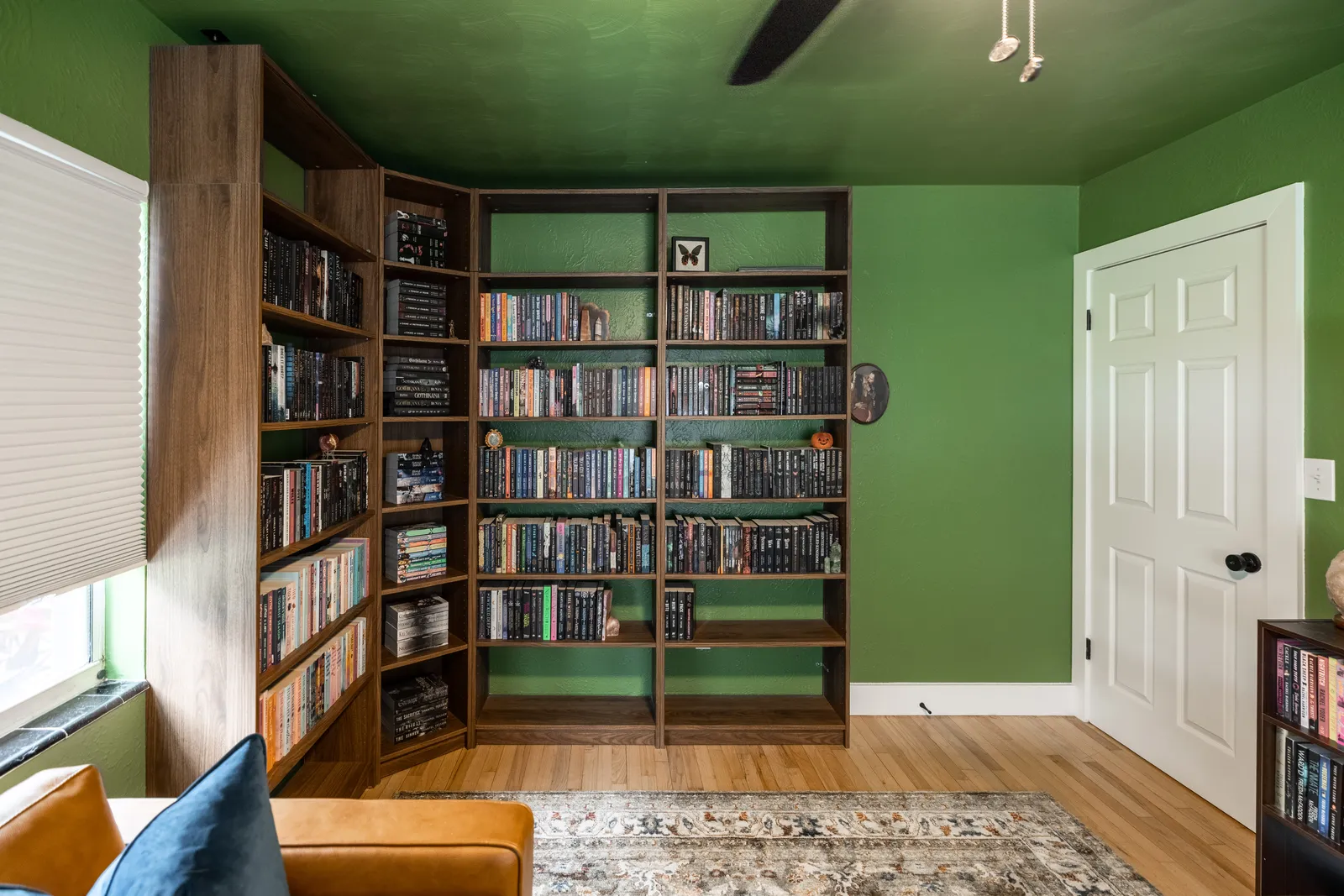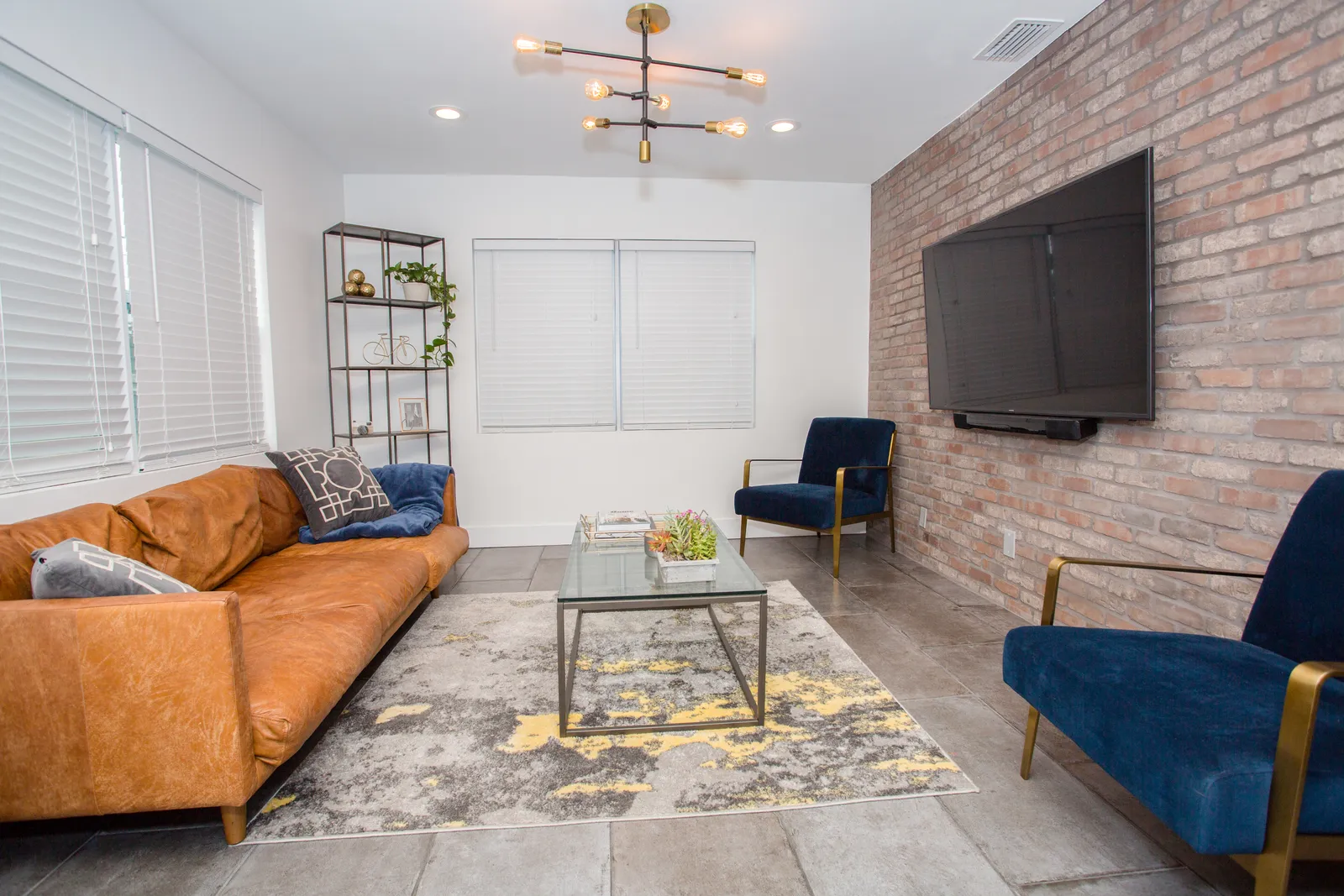
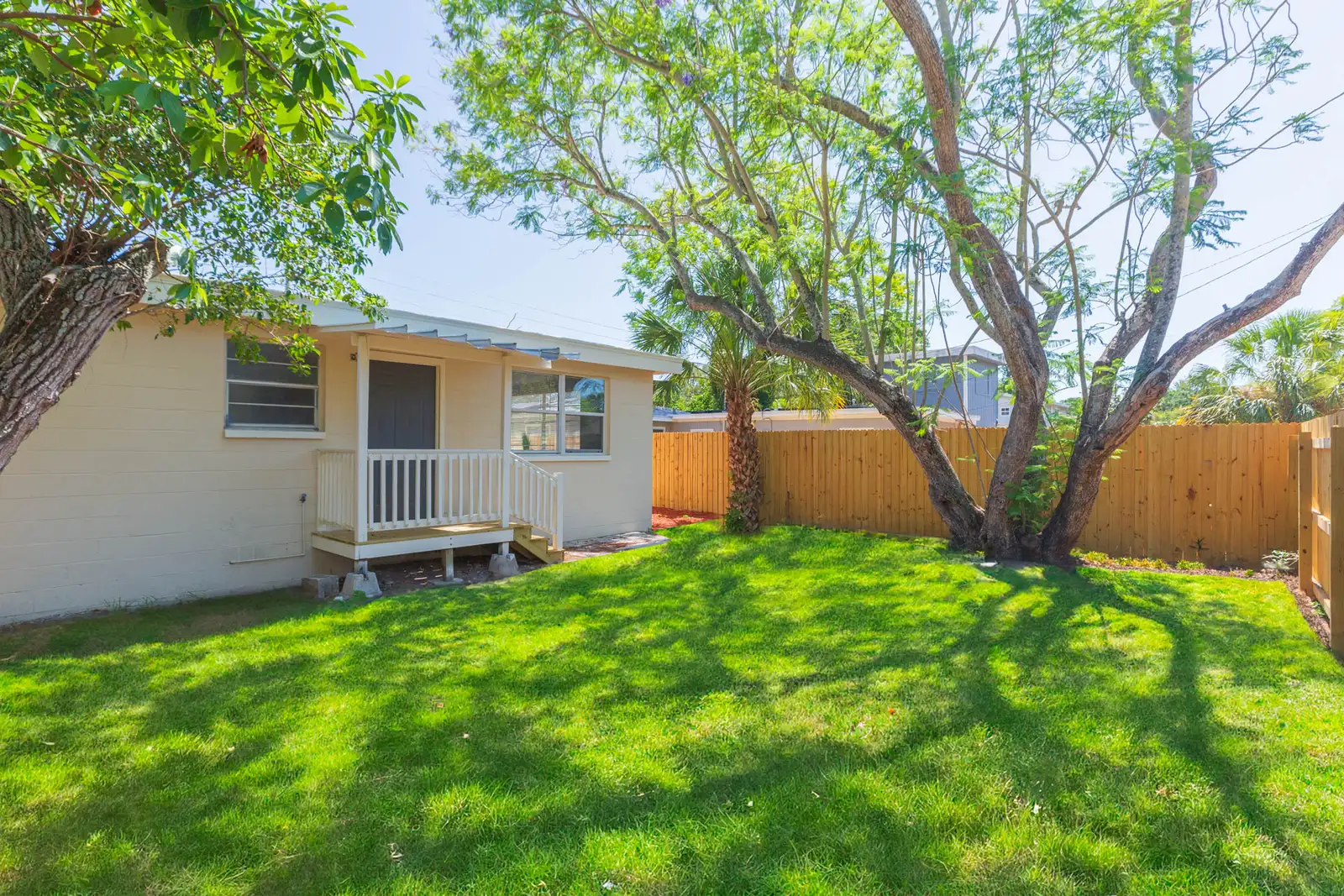
Tampa homes
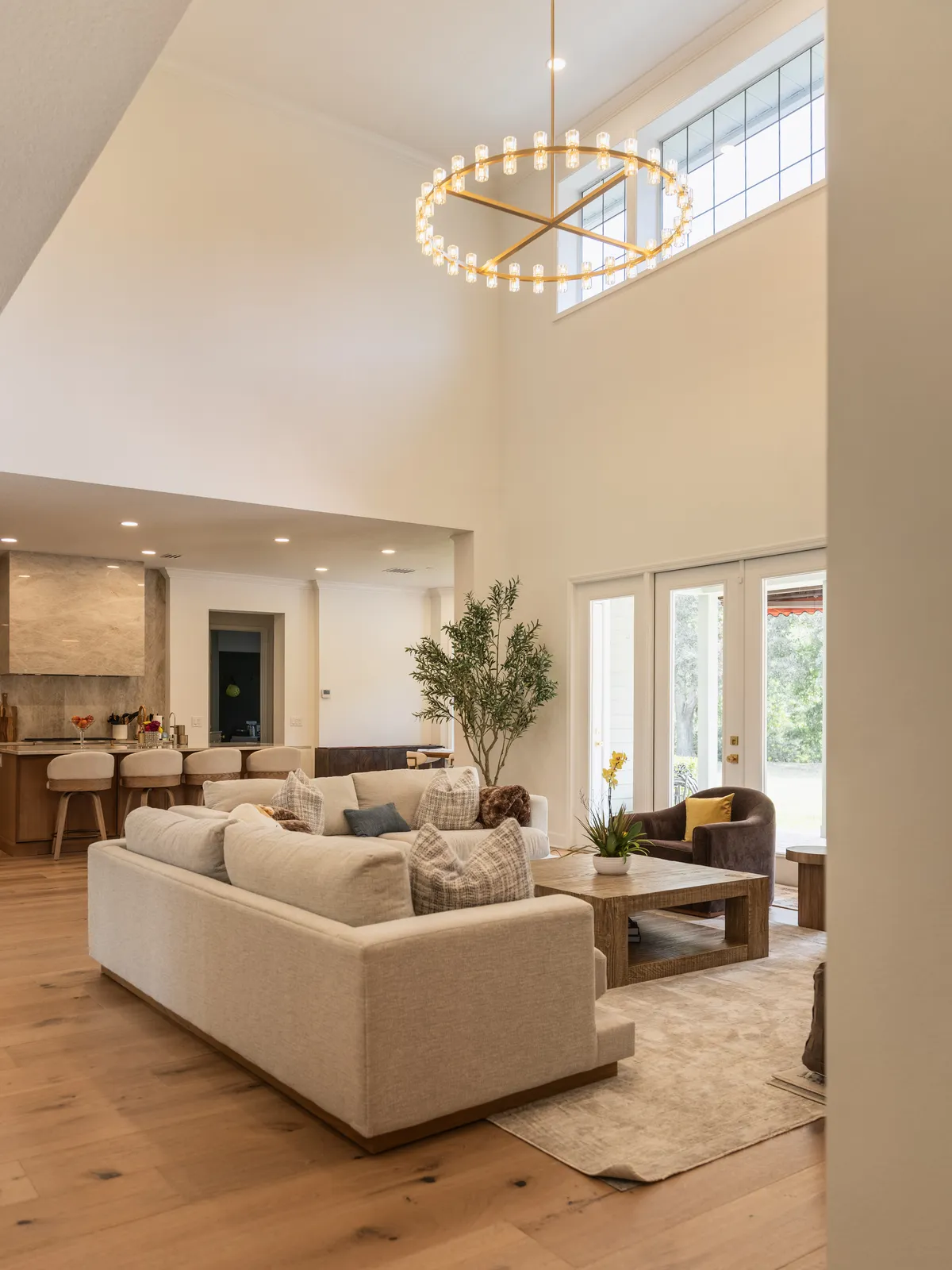
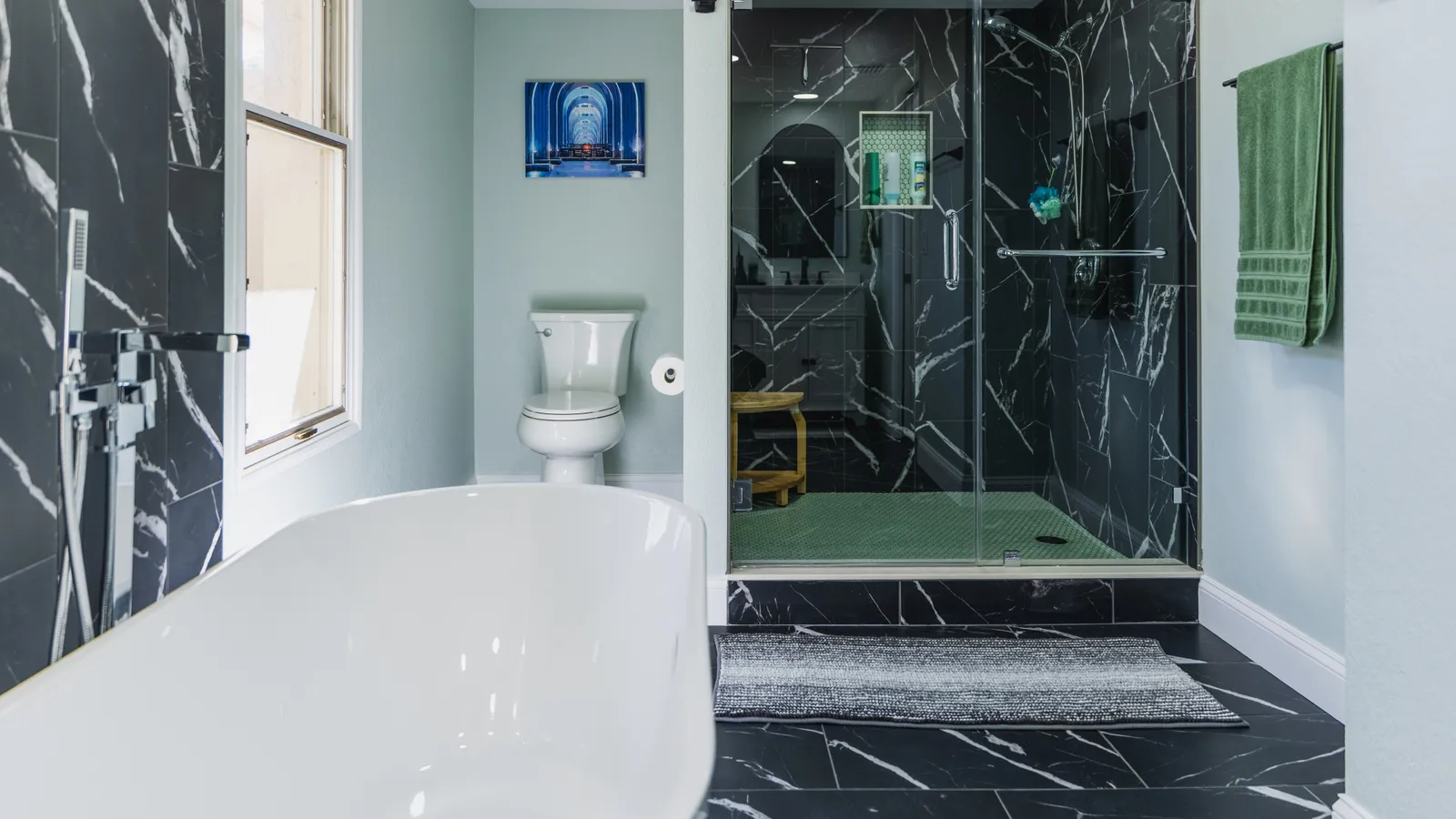
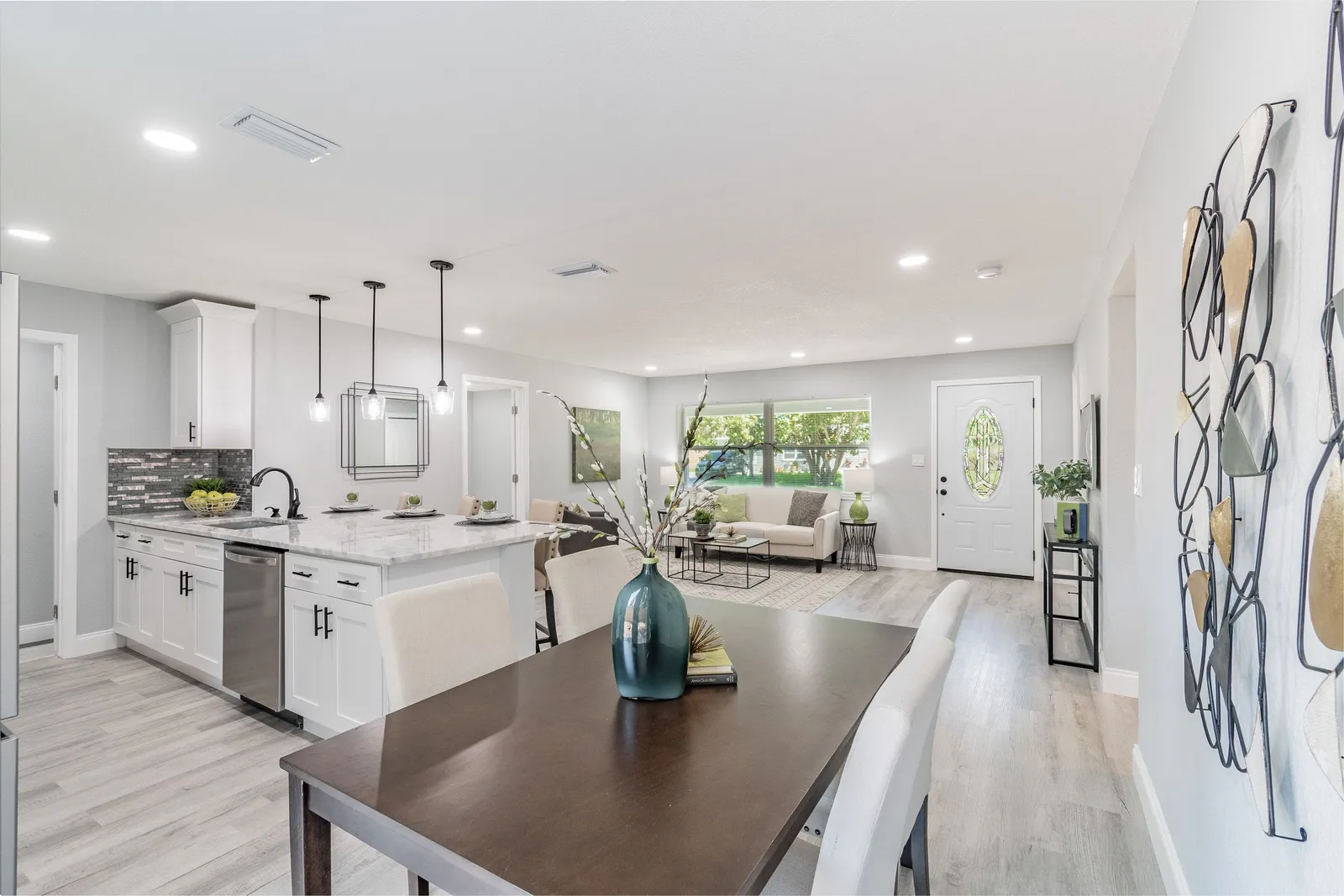
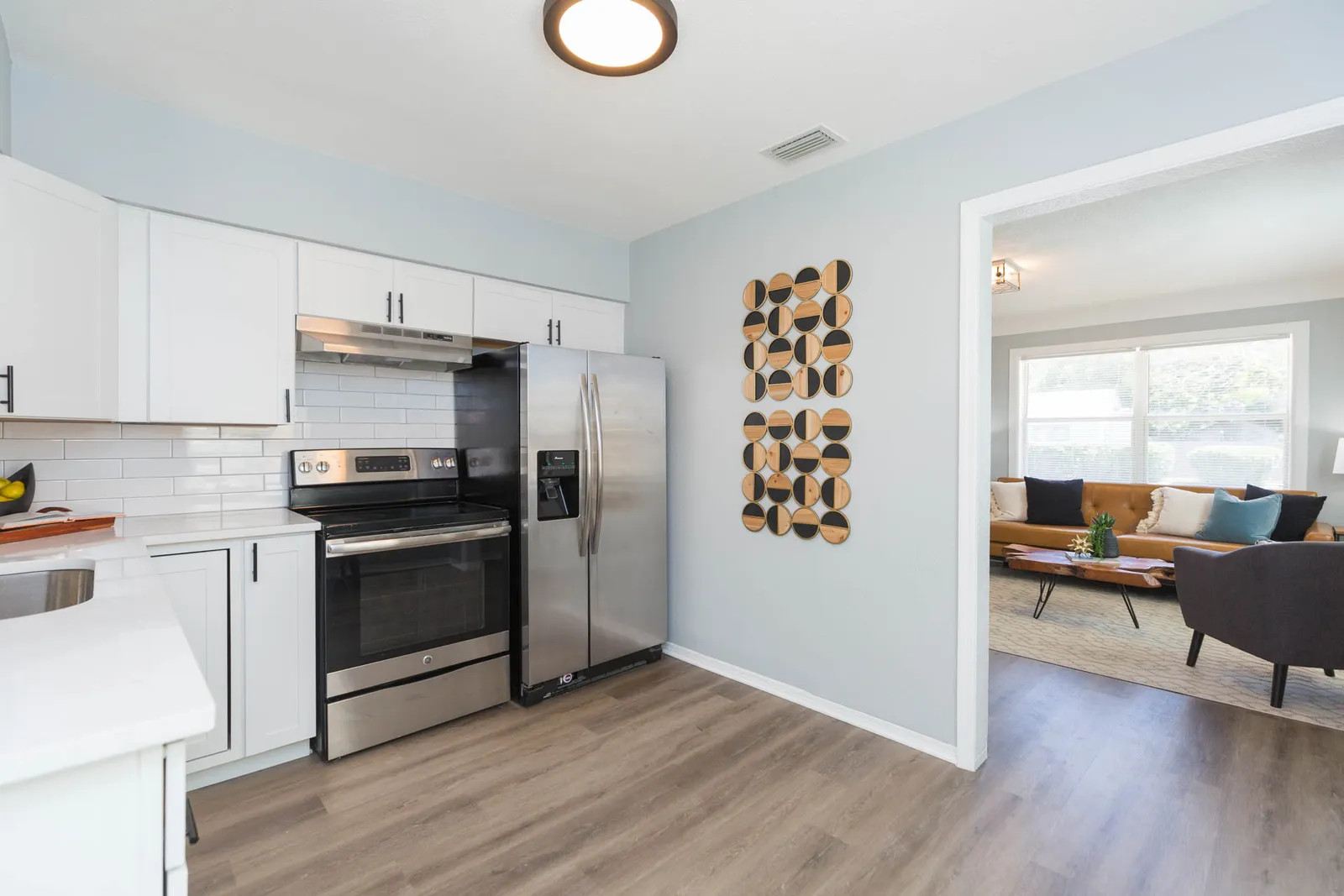
Most home renovation in Tampa and around the bay happens in houses with decades of history in the walls: original wiring, galvanized or polybutylene plumbing, settled framing, past repairs of varying honesty. That holds from Tampa’s 1920s bungalows, served from our Tampa headquarters, to the mid-century block homes of Pinellas, served from our Seminole office.
More on Tampa homes
We plan for discovery instead of pretending it will not happen. When something turns up behind a wall, we stop, show it to you, document it and price it in writing. You approve the change order before any additional work happens, so the final invoice holds no surprises.
Structural and systems work runs through licensed trades under our supervision: framing, electrical, plumbing and HVAC, inspected at every required stage. Finishes are planned as one palette across the home, so the renovation reads as one house rather than a series of disconnected projects. A historic home renovation in Tampa, in a Seminole Heights or Hyde Park bungalow, also settles what to keep: original floors, trim and windows that can be restored rather than replaced.
The year a house was built predicts much of what its renovation will find. A house from the 1950s through the 1970s often hides galvanized or polybutylene pipe, aluminum branch wiring or a panel sized for the appliances of its day; one built around 2000 more often keeps its systems and changes its layout and finishes.
Insurance can set the order of a whole house remodel as firmly as the design does. Citizens Property Insurance requires a 4-point inspection on homes more than 20 years old, and its form asks about cloth wiring, knob and tube, aluminum branch circuits, the panel’s age and amperage, and galvanized or polybutylene pipe, so whatever that form flags is priced into the renovation before a finish is chosen. In a house built before 1978, anyone paid to disturb painted surfaces must be certified in the EPA’s lead-safe work practices, which governs how old trim, doors and plaster come out.
In a mapped flood zone the size of the renovation is a legal limit as well as a budget. In Tampa’s flood hazard areas, Zones AE, Coastal A and VE, repairs or improvements that generally exceed 50 percent of the structure’s depreciated value, as the Hillsborough County Property Appraiser lists it, can require rebuilding to the Florida Building Code’s flood-resistant standards, and in unincorporated Hillsborough County the test is 50 percent of the building’s market value, land excluded. A whole-home scope is the kind most likely to reach that line, so the figure is checked against the plan at the consultation, and the guide to remodeling in a flood zone shows how each office measures it.